_edited.jpg)
From Hurt to Healing: Moving from Resignation to Acceptance

By Mia Jackson, LGPC
“It’s fine. I just accept it.”
We’ve all said it. But what did we mean when we said it? Sometimes that statement can feel like you are telling yourself to be okay with something that truly isn't okay at all. Sometimes we call something ‘acceptable’ when what we’re really feeling is defeat. What you’re saying to yourself isn’t acceptance, it’s resignation. Acceptance is not the same as resignation. Confusing the two can keep people stuck longer than the situation itself. Being able to understand the difference is not just helpful, it can change how you move through some of the hardest moments in your life.
What's the Difference?
Resignation: “There’s nothing I can do, this is just how it is. I give up.”
Resignation often feels defeating. You’ve stopped trying, not because you’ve found peace, but because you have run out of energy. Resignation is passive. It often carries hopelessness, bitterness, or numbness. You’re not at peace with what is happening, so you shut down in response to it.
Acceptance: “I don’t like this, I wish things were different. And I can still move forward.”
Acceptance is active. It doesn’t mean you approve of what happened. It doesn’t mean you think it is fair or right. It means you stop fighting reality and begin focusing your energy on how you want to respond. Acceptance means releasing negative self-judgments and focusing on how to move forward.
In psychological terms, resignation is often rooted in learned helplessness and hopelessness, while acceptance reflects psychological flexibility, the ability to stay present and take meaningful action even in difficult circumstances.
Resignation is giving up. Acceptance is letting go, while still moving forward.
Why Does This Matter?
When we resist reality or stay stuck in “this shouldn’t be happening”, we often suffer twice. Once from the situation itself and again from the constant mental struggle battling against it.
The idea of “acceptance without judgment” is central directly to Acceptance and Commitment Therapy (ACT), one of the most well researched approaches used in mental health treatment today. Across studies, people who learn to accept and acknowledge difficult thoughts and emotions, tend to experience lower anxiety, reduced depressive symptoms, and greater resilience and functioning.
Acceptance is not a personality trait, it is a skill that can be developed.
What Acceptance Actually Looks Like in Real Life
Situation: You are diagnosed with diabetes and must change your eating habits, monitor blood sugar, and attend medical appointments. |  | ||
Acceptance: “I hate that I have to deal with this, but pretending it is not happening will hurt me. I’m going to learn what I need to do, adjust my routines, and still build a meaningful life.” Acceptance does not mean you are happy about the diagnosis. It means you are willing to work with reality. | Resignation: “Well, I’m sick now. My life is ruined. Nothing I do matters anyway, so I might as well ignore it.” Resignation gives the illness more control, not less. | ||
 | Situation: Your partner ends the relationship, and reconciliation is not likely. | ||
Acceptance: “I did not want this relationship to end. I’m grieving, and I may not understand everything. I can stop chasing someone who no longer wants the relationship. I can take care of myself, learn from this, and eventually open myself to life again.” Acceptance includes grief, sadness, and disappointment. It does not require pretending the loss is fine. | Resignation: “People always leave. Love is pointless. I’m done trying.” Resignation turns one painful experience into a global conclusion about life, love, or self-worth. | ||
Situation: You are passed over for a promotion despite strong performance. |  | ||
Acceptance: “This decision happened, and I’m angry about it. I need to understand my options. I can ask for feedback, document my work, consider whether this workplace values me, and decide whether to stay, advocate, or look elsewhere.” Acceptance does not mean tolerating injustice. It means recognizing the situation clearly enough to respond effectively. | Resignation: “This place is unfair, and there’s nothing I can do. I’ll just keep my head down and stop caring.” Resignation may look calm on the outside, but internally it often involves helplessness or disengagement. | ||
 | Situation: You notice you no longer have the same stamina, appearance, or physical ability you had years ago. | ||
Acceptance: “My body is changing. I can feel sad about that and still care for myself. I can adjust my exercise, protect my health, dress in a way that feels good, and appreciate what my body still allows me to do.” Acceptance makes room for both grief and adaptation. | Resignation: “I’m just old now. There’s no point exercising, caring how I look, or making plans.” Resignation collapses the future into decline. Acceptance allows the person to continue living with intention. | ||
Situation: Your adult child repeatedly makes decisions you believe are harmful. | 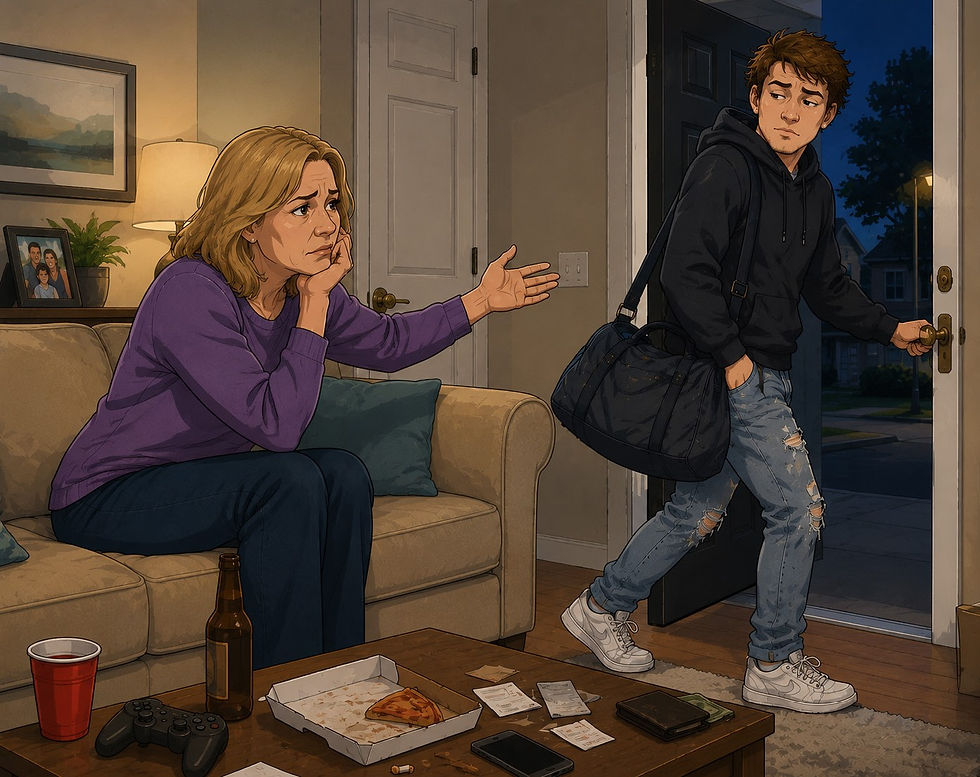 | ||
Acceptance: “I cannot control my adult child’s choices. I can love them, be honest with them, set boundaries, and decide what help I can offer without enabling behavior that harms them or me.” Acceptance recognizes the limits of control while still allowing love, care, and boundaries. | Resignation: “They’re going to ruin their life, and there’s nothing I can do, so I’m just done with them.” Resignation may masquerade as boundaries, but it is often driven by despair, resentment, or emotional cutoff. | ||
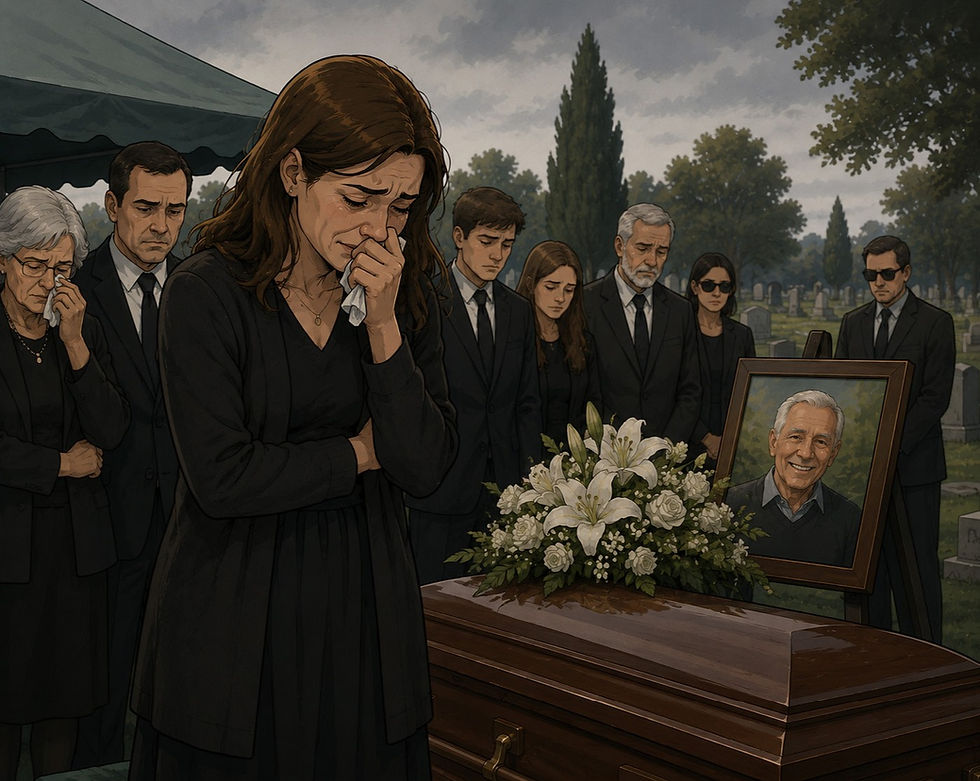 | Situation: Someone you love dies. | ||
Acceptance: “This person is gone, and that reality hurts deeply. I may always miss them. I can let myself grieve, remember them, accept support, and continue living in a way that honors what mattered.” Acceptance does not mean “moving on” in the sense of forgetting. It means slowly learning to live in a changed world. Acceptance allows grief to become part of life without letting it consume your entire life. | Resignation: “They’re gone, so nothing matters anymore. I’m just going through the motions.” Resignation freezes life around the loss. | ||
Acceptance is not approval. It is not weakness, passivity, or pretending something does not hurt. Acceptance is the moment we stop wasting energy arguing with reality and start using that energy to live wisely within it.
Resignation happens when pain convinces us that our choices no longer matter. Acceptance says, “This is hard, and I still have choices.” Resignation says, “This is hard, so I have no choices.”


Comments